
News, Tips & Trick, Code, Stories

Greek Mythology

Greek mythology is a vast and intricate collection of myths and legends that originated from the ancient Greeks and has had a profound influence on Western literature, art, philosophy, and culture.

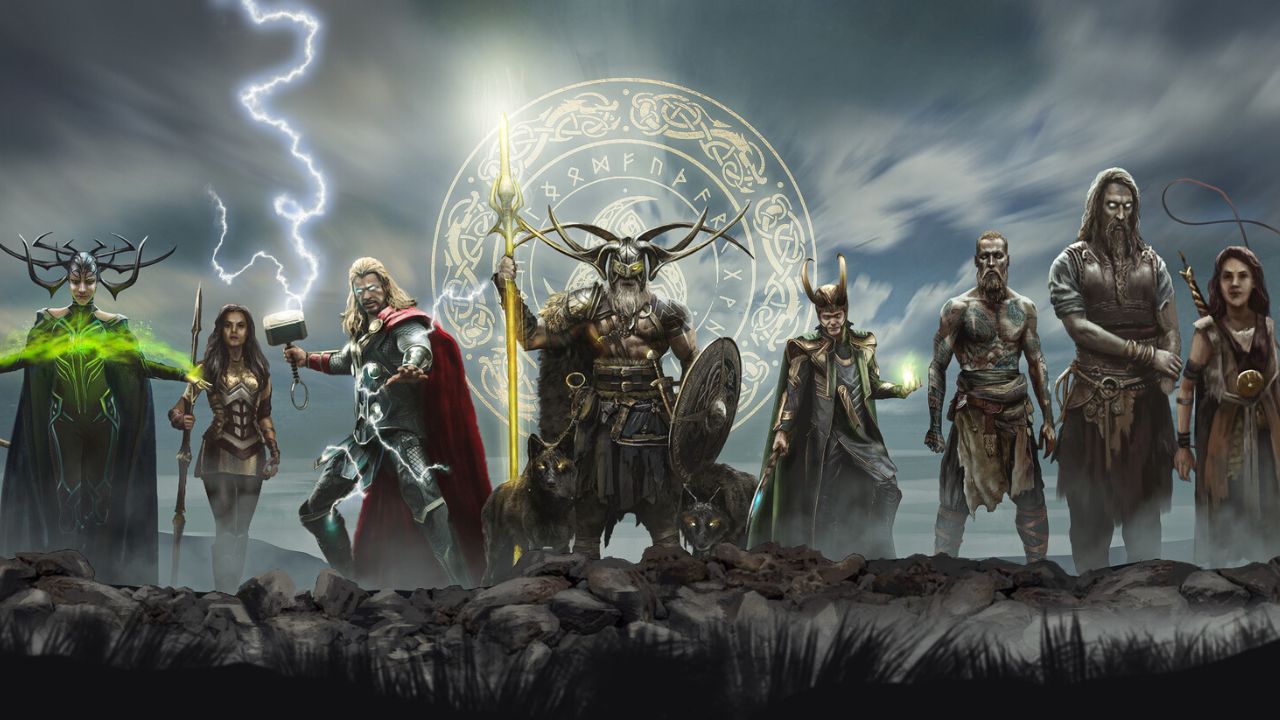
Norse Mythology

Norse mythology, also known as Scandinavian mythology, is a collection of myths and legends originating from the pre-Christian beliefs of the Norse people

Mitologi Mesir (Egyptian)

Mitologi Mesir adalah kumpulan kisah-kisah epik dan kepercayaan spiritual yang melingkupi kehidupan masyarakat Mesir Kuno.

Harvest Moon Back To Nature

Game tahun 90-an yang bikin nostalgia, kita pasti tau terdapat banyak rahasia di dalam game Harvest Moon Back To Nature. Apa sajakah rahasia itu?

Menikmati Keindahan Alam: 10 Tempat Wisata Rekomendasi di Gunung Kidul, Yogyakarta

Yogyakarta, salah satu destinasi wisata terpopuler di Indonesia, memiliki pesona alam yang luar biasa, terutama di wilayah Gunung Kidul.

Minggu, 17 Desember 2023

Hermes: The Messenger of the Gods and Patron of Various Domains

 Hermes: The Messenger of the Gods and Patron of Various Domains

Introduction

  • Hermes is a prominent figure in Greek mythology, known as one of the twelve Olympian gods.
  • He is the son of Zeus and the Pleiad Maia, often identified with the Roman god Mercury.
  • Hermes is associated with various domains, including trade, wealth, luck, fertility, animal husbandry, sleep, language, thieves, and travel.

Mythological Background

  • Hermes' birth and parentage: He was born on Mount Cyllene in Arcadia, Greece, to Zeus and Maia.
  • Hermes' upbringing and early feats: As an infant, he displayed remarkable intelligence and agility, even stealing Apollo's cattle on his first day of life.
  • Hermes' role as the messenger of the gods: He was appointed by Zeus as the official messenger and herald of the gods, responsible for delivering messages and guiding souls to the Underworld.

Domain and Attributes

  • Trade and wealth: Hermes is the god of trade, commerce, and wealth. He oversees the exchange of goods and is often invoked by merchants and traders.
  • Luck and fertility: He is associated with good fortune, luck, and fertility, particularly in agricultural and animal husbandry contexts.
  • Sleep and dreams: Hermes is the god who watches over sleep and dreams, ensuring restful nights and delivering messages through dreams.
  • Language and communication: He is the patron of language, eloquence, and communication. Hermes is often invoked by orators, writers, and those seeking persuasive skills.
  • Thieves and trickery: Hermes is also the god of thieves and trickery, known for his cunning and ability to outsmart others.

Role in Greek Mythology

  • Hermes' involvement in various myths: He played a significant role in numerous myths and legends, often acting as a mediator or facilitator between gods and mortals.
  • Hermes and the Argonauts: He assisted Jason and the Argonauts in their quest for the Golden Fleece, providing guidance and protection.
  • Hermes and Perseus: He aided Perseus in his quest to slay Medusa by providing him with winged sandals, a magical sword, and a helmet of invisibility.
  • Hermes and the invention of the lyre: He is credited with inventing the musical instrument known as the lyre, which he gifted to Apollo.

Symbols and Depictions

  • Winged sandals and hat: Hermes is often depicted wearing winged sandals and a winged hat, enabling him to travel swiftly between the mortal world, Mount Olympus, and the Underworld.
  • Caduceus: He is frequently shown holding a caduceus, a staff entwined with two serpents, which symbolizes his role as the messenger of the gods.

Worship and Festivals

  • Temples and sanctuaries dedicated to Hermes: Throughout ancient Greece, various temples and sanctuaries were built in honor of Hermes, including the famous Temple of Hermes at Mount Cyllene.
  • Festivals and rituals: The most notable festival dedicated to Hermes was the Hermaea, celebrated in Athens and other cities. It involved athletic competitions, music, and sacrifices.

Influence on Art and Literature

  • Hermes' portrayal in art: He has been depicted in numerous sculptures, paintings, and other works of art, often showcasing his youthful appearance and agility.
  • Hermes in literature: He appears in various ancient Greek texts, including epic poems like the Iliad and the Odyssey, where he plays important roles.

Legacy and Modern References

  • Hermes' influence in modern culture: His character continues to be referenced in literature, music, and popular culture. He represents attributes such as speed, agility, and communication.
  • Hermès, the luxury brand: The name "Hermès" is derived from Hermes and is associated with high-quality craftsmanship and elegance.

Conclusion

  • Hermes, the Greek god of trade, wealth, luck, fertility, animal husbandry, sleep, language, thieves, and travel, holds a significant place in Greek mythology and religion.
  • His multifaceted nature and diverse domains make him a fascinating and influential deity in ancient Greek culture.
Share:

Heracles: The Legendary Hero of Greek Mythology

 Heracles: The Legendary Hero of Greek Mythology

Introduction

  • Heracles, also known as Hercules in Roman mythology, is one of the most famous Greco-Roman legendary heroes.
  • He is traditionally believed to be the son of Zeus, the king of the gods, and Alcmene, a mortal woman.

Mythological Background

  • Heracles' birth and upbringing: He was born as the result of Zeus' affair with Alcmene. His birth was marked by various extraordinary events.
  • Heracles' divine lineage: As the son of ZeusHeracles possessed superhuman strength and abilities.

Labors of Heracles

  • The Twelve Labors: Heracles was famously tasked with completing twelve labors as a form of penance for killing his wife and children in a fit of madness, caused by the goddess Hera.
  • The labors included defeating mythical creatures and completing impossible tasks, such as slaying the Nemean Lion, capturing the Golden Hind, and cleaning the Augean stables.

Heroic Deeds and Adventures

  • Heracles' other heroic feats: Apart from the labors, Heracles embarked on various other adventures and quests, battling monsters and helping mortals.
  • Notable deeds include his involvement in the Argonauts' quest for the Golden Fleece and his role in the Trojan War.

Symbolism and Attributes

  • Heracles' symbols: He is often depicted wearing a lion's skin and wielding a club, representing his strength and courage.
  • The lion's skin and club became iconic symbols associated with Heracles.

Legacy and Influence

  • Heracles' impact on Greek culture: His stories and legends have had a lasting impact on Greek art, literature, and philosophy.
  • The concept of heroism and the ideal of physical strength and bravery are often associated with Heracles.

Modern References

  • Heracles in popular culture: His character continues to be referenced in modern literature, films, and other forms of media.
  • The name "Hercules" is often used to represent strength and heroism in various contexts.

Conclusion

  • Heracles, the son of Zeus and a legendary hero of Greek mythology, remains an enduring figure in ancient Greek culture.
  • His extraordinary strength, heroic deeds, and symbolic significance make him a captivating and influential character in Greek mythology.
Share:

Apollo: The Greek God of Music, Healing, and Prophecy

 Apollo: The Greek God of Music, Healing, and Prophecy

Introduction

  • Apollo is a prominent figure in Greek mythology, known as one of the twelve Olympian gods.
  • He is the son of Zeus and Leto, and the twin brother of Artemis.
  • Apollo is associated with various domains, including music, healing, prophecy, and more.

Mythological Background

  • Apollo's birth and upbringing: He was born on the island of Delos after a long and difficult labor. He was raised by nymphs and taught the arts and sciences by various mentors.
  • Apollo's parentage: He is the son of Zeus, the king of the gods, and Leto, a Titaness.
  • Apollo's siblings: His twin sister Artemis, the goddess of the hunt, is his closest sibling.

Domain and Attributes

  • Music and the arts: Apollo is the god of music, poetry, and the arts. He is often depicted playing a lyre or a musical instrument.
  • Healing and medicine: Apollo is associated with healing and is often called upon to cure diseases and ailments. He is also known as the god of medicine.
  • Prophecy and oracles: Apollo is the god of prophecy and is closely associated with oracles, particularly the famous Oracle of Delphi.
  • Sun and light: Apollo is sometimes referred to as the god of the sun and light, representing the radiant energy and life-giving power of the sun.

Role in Greek Mythology

  • Apollo's role in the Trojan War: He supported the Greeks and played a significant role in the outcome of the war.
  • Apollo and his love affairs: Like many gods, Apollo had numerous love affairs and fathered several children, including Asclepius, the god of medicine.
  • Apollo's conflicts and interactions with other gods and mortals: He had conflicts with other gods, such as Hermes and Marsyas, and played a part in various myths and legends.

Symbols and Depictions

  • Lyre: Apollo is often depicted holding a lyre, a stringed musical instrument associated with poetry and music.
  • Laurel wreath: He is sometimes depicted wearing a laurel wreath, which symbolizes victory and honor.
  • Sun chariot: Apollo is occasionally shown riding a chariot pulled by fiery horses, representing his association with the sun.

Worship and Festivals

  • Temples and sanctuaries: Apollo was worshipped throughout ancient Greece, and many temples and sanctuaries were dedicated to him, including the famous Temple of Apollo at Delphi.
  • Festivals and rituals: Various festivals and rituals were held in honor of Apollo, such as the Pythian Games and the Delia festival.

Influence on Art and Literature

  • Apollo's influence on art: He inspired numerous sculptures, paintings, and other works of art throughout history. His idealized form and association with beauty made him a popular subject for artists.
  • Apollo in literature: He appears in various ancient Greek texts, including epic poems like the Iliad and the Odyssey.

Legacy and Modern References

  • Apollo's influence in modern culture: His character continues to be referenced in literature, music, and popular culture. He represents the ideals of music, healing, and prophecy.
  • Scientific and cultural references: The Apollo missions to the moon were named after him, highlighting his association with the sun and light.

Conclusion

  • Apollo, the Greek god of music, healing, and prophecy, holds a significant place in Greek mythology and religion.
  • His multifaceted nature and diverse domains make him a fascinating and influential deity in ancient Greek culture.
Share:

Zeus: The King of the Gods in Greek Mythology

 Zeus: The King of the Gods in Greek Mythology

Introduction

  • Zeus is a prominent figure in ancient Greek mythology, known as the chief deity of the pantheon and the king of the gods.
  • He is often associated with the sky, thunder, and lightning, and is considered one of the most powerful gods in Greek religion.

Mythological Background

  • Zeus is the son of Cronus and Rhea, and he is one of the twelve Olympian gods.
  • He is known for overthrowing his father and the Titans to become the ruler of Mount Olympus.

Domain and Attributes

  • Zeus is primarily associated with the sky, thunder, and lightning.
  • He is often depicted with a lightning bolt in his hand, symbolizing his control over the forces of nature.

Role in Greek Mythology

  • Zeus played a central role in numerous myths and legends. For example:
    • He led the gods in their battle against the Titans, establishing the reign of the Olympian gods.
    • He was known for his numerous love affairs and fathered many famous demigods and heroes, such as Hercules and Perseus.
    • He was the protector of hospitality and the enforcer of oaths and justice.

Symbols and Depictions

  • Zeus is often depicted as a mature and powerful man with a long beard, holding a lightning bolt.
  • He is sometimes shown seated on a throne, surrounded by other gods and goddesses.

Worship and Festivals

  • Zeus was worshipped by the ancient Greeks through various rituals and festivals.
  • Notable festivals dedicated to Zeus include the Olympic Games, which were held every four years in his honor.

Influence on Art and Literature

  • Zeus's character has inspired numerous works of art, literature, and poetry throughout history.
  • He is a recurring figure in ancient Greek pottery, sculptures, and epic poems like the Iliad and the Odyssey.

Legacy and Modern References

  • Zeus's influence extends beyond ancient times, as his character continues to be referenced in modern literature, films, and popular culture.
  • He remains an iconic figure associated with power, authority, and the forces of nature.

Conclusion

  • Zeus, the king of the gods in Greek mythology, holds a significant place in ancient Greek religion and culture.
  • His domain over the sky and his role in various myths make him a fascinating and influential deity.
Share:

Poseidon: The Greek God of the Sea

Poseidon: The Greek God of the Sea

Introduction

  • Poseidon is a prominent figure in ancient Greek mythology, known as the god of the sea, earthquakes, and horses.
  • He is one of the twelve Olympian gods and holds a significant role in Greek religion and mythology.

Mythological Background

  • Poseidon is the son of Cronus and Rhea, and he is a brother of Zeus and Hades.
  • He is often depicted as a powerful deity with a trident, symbolizing his control over the sea.

Domain and Attributes

  • Poseidon's domain includes the sea, rivers, storms, earthquakes, and horses.
  • He is believed to have the power to create storms, control the tides, and cause earthquakes.

Role in Greek Mythology

  • Poseidon played a crucial role in various myths and legends. For example:
    • He competed with Athena for the patronage of Athens, resulting in the creation of the city's first king.
    • He was involved in the myth of the Trojan War, supporting the Greeks against the Trojans.
    • He played a part in the story of Odysseus, causing him numerous challenges during his journey back home.

Symbols and Depictions

  • Poseidon is often depicted with a trident, which represents his authority over the sea.
  • He is sometimes shown riding a chariot pulled by horses, emphasizing his connection to horses.

Worship and Festivals

  • Poseidon was worshipped by ancient Greek
    s through various rituals and festivals.
  • Notable festivals dedicated to Poseidon include the Panathenaic Games and the Isthmian Games.

Influence on Art and Literature

  • Poseidon's character has inspired numerous works of art, literature, and poetry throughout history.
  • He is a recurring figure in ancient Greek pottery, sculptures, and epic poems like the Iliad and the Odyssey.

Legacy and Modern References

  • Poseidon's influence extends beyond ancient times, as his character continues to be referenced in modern literature, films, and popular culture.
  • He remains an iconic figure associated with the power and mystery of the sea.

Conclusion

  • Poseidon, the Greek god of the sea, earthquakes, and horses, holds a significant place in Greek mythology and religion.
  • His domain over the sea and his role in various myths make him a fascinating and influential deity in ancient Greek culture.
Share:

Definition List

Welcome to My Blog!

Thanks for visiting. Feel free to explore the content.

Unordered List

Support