News, Tips & Trick, Code, Stories

Greek Mythology

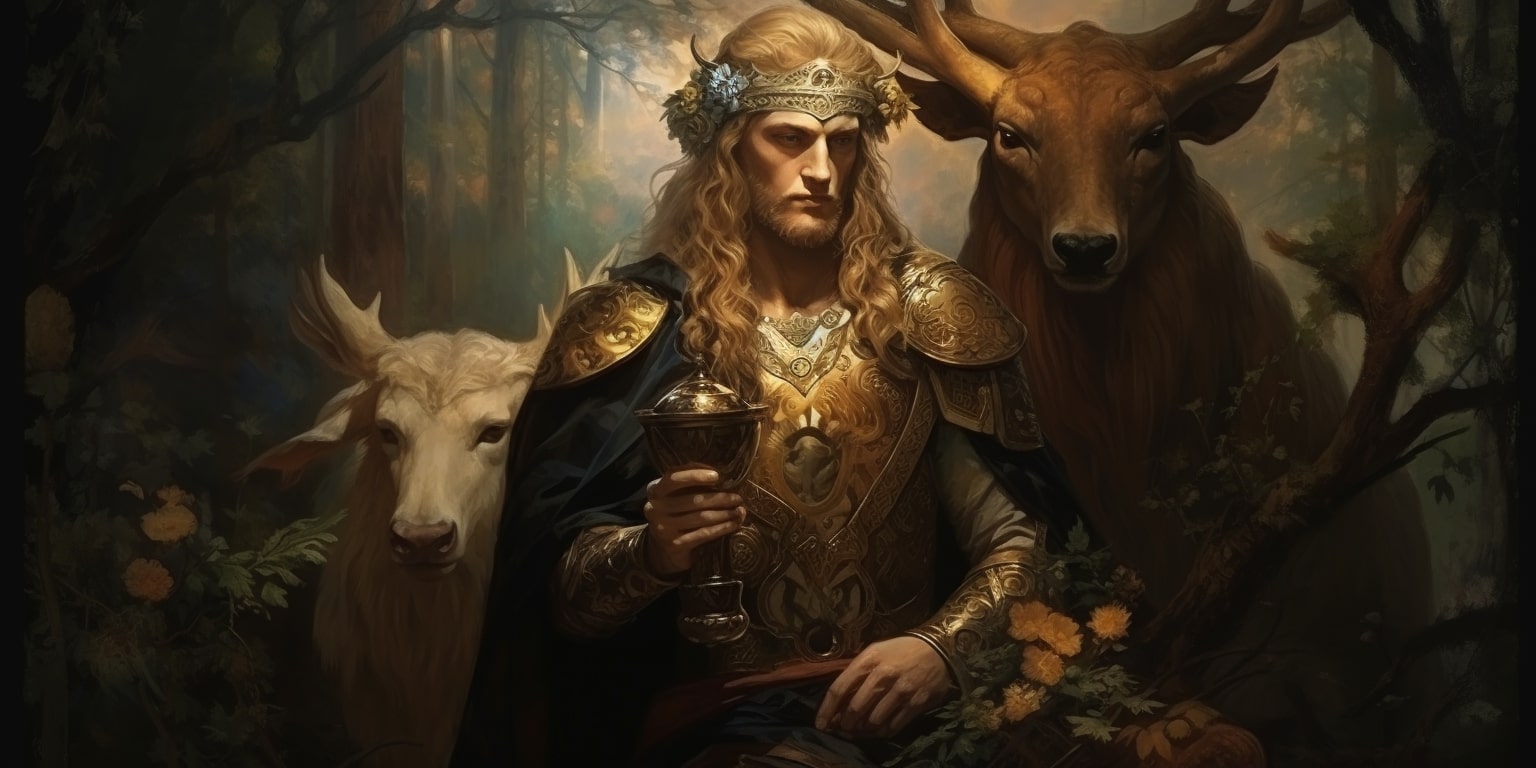
Greek mythology is a vast and intricate collection of myths and legends that originated from the ancient Greeks and has had a profound influence on Western literature, art, philosophy, and culture.

Norse Mythology

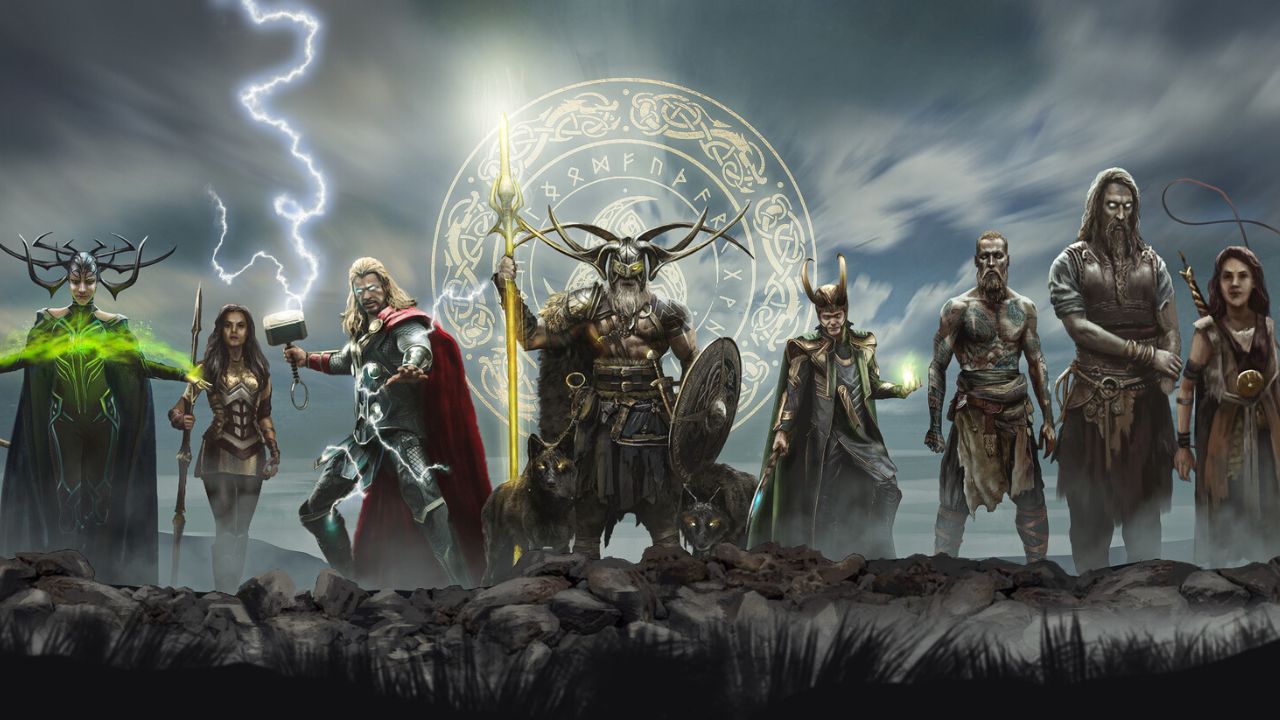
Norse mythology, also known as Scandinavian mythology, is a collection of myths and legends originating from the pre-Christian beliefs of the Norse people

Mitologi Mesir (Egyptian)

Mitologi Mesir adalah kumpulan kisah-kisah epik dan kepercayaan spiritual yang melingkupi kehidupan masyarakat Mesir Kuno.

Harvest Moon Back To Nature

Game tahun 90-an yang bikin nostalgia, kita pasti tau terdapat banyak rahasia di dalam game Harvest Moon Back To Nature. Apa sajakah rahasia itu?

Menikmati Keindahan Alam: 10 Tempat Wisata Rekomendasi di Gunung Kidul, Yogyakarta

Yogyakarta, salah satu destinasi wisata terpopuler di Indonesia, memiliki pesona alam yang luar biasa, terutama di wilayah Gunung Kidul.

Rabu, 20 Desember 2023

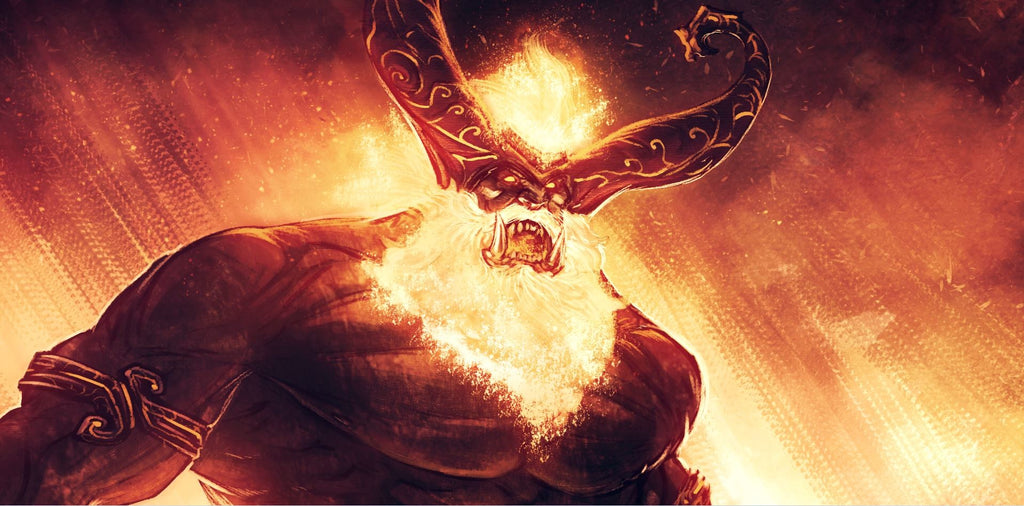
Surtr: Fire Demon Ragnarok

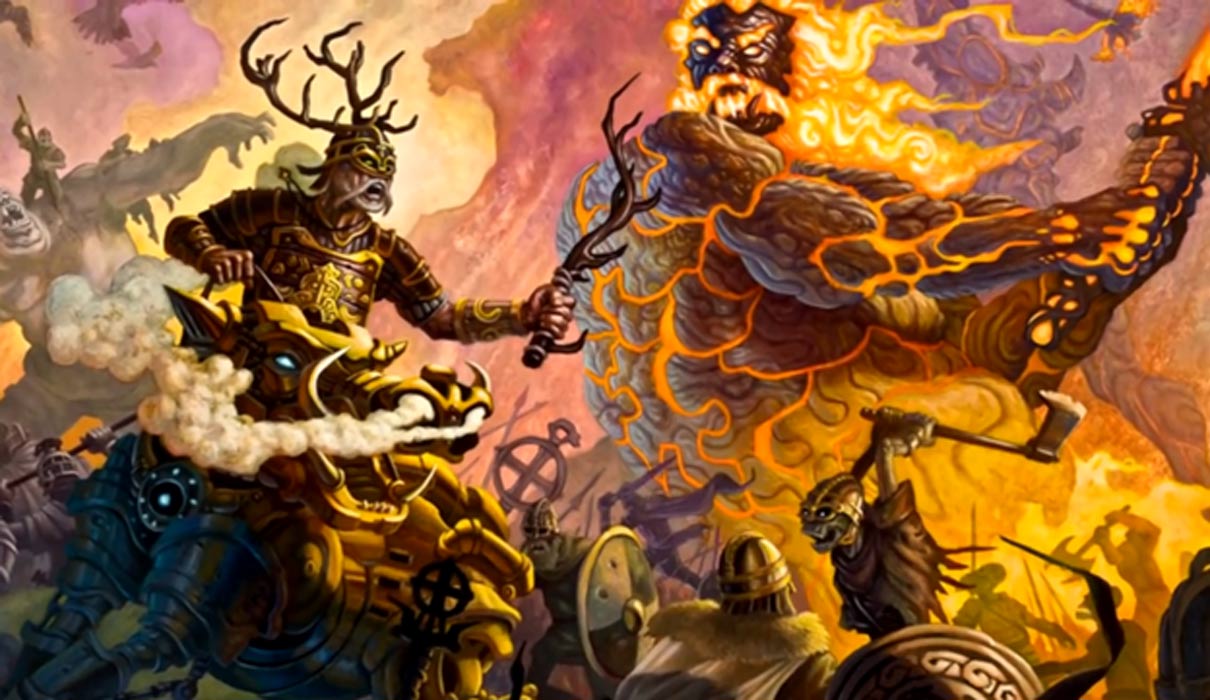
Surtr, a formidable and enigmatic figure within Norse mythology, embodies the primal forces of fire, destruction, and renewal. This article delves into the captivating lore, attributes, and mythological significance of Surtr, shedding light on his role as a harbinger of cataclysmic events and a potent symbol of elemental power within the rich tapestry of Norse cosmology.

Origins and Attributes

  • Fire Giant: Surtr is often depicted as a powerful and malevolent fire giant, possessing immense strength, command over infernal flames, and a pivotal role in the cataclysmic events of Ragnarök.
  • Guardian of Muspelheim: In Norse mythology, Surtr is revered as the guardian and ruler of Muspelheim, the realm of primordial fire, shaping him as a figure of elemental power and primordial chaos.

Role in Ragnarök

  • Cataclysmic Conflagration: Surtr plays a pivotal role in the cataclysmic events of Ragnarök, leading his fiery kin from Muspelheim to participate in the apocalyptic battles that herald the end of the current world.
  • Destruction and Renewal: As the harbinger of fiery devastation, Surtr's emergence during Ragnarök symbolizes the cataclysmic cleansing and renewal of the cosmos, paving the way for the emergence of new worlds and the dawn of a new era.

Mythological Narratives

  • Prophetic Encounters: Surtr is foretold in various Norse mythological narratives and prophecies, often described as the figure whose arrival will set the world ablaze, signaling the onset of cataclysmic change and renewal.
  • Epic Battles and Confrontations: Surtr's participation in the climactic battles of Ragnarök embodies the elemental fury and destructive power of fire, as he clashes with the gods and their allies in a titanic struggle that shapes the fate of the cosmos.

Symbolism and Cultural Significance

  • Primal Forces of Creation and Destruction: Surtr's association with fire and cataclysmic events underscores his role as a symbol of elemental power, embodying the primal forces of creation and destruction that define the cyclical nature of Norse cosmology.
  • Guardian of Muspelheim: As the ruler of Muspelheim, Surtr symbolizes the untamed and primordial forces of fire, serving as a potent embodiment of chaotic energy and transformative power.

Legacy and Contemporary Resonance

  • Artistic Interpretations: Surtr's captivating allure has inspired numerous artistic interpretations, literature, and visual representations, portraying him as a figure of elemental power and cataclysmic change within the cultural tapestry of Norse mythology.
  • Symbol of Primal Power: Surtr's enduring legacy continues to resonate as a symbol of primal power, elemental fury, and the transformative forces of fire, transcending his role as a mythological figure to embody the eternal struggle between creation and destruction.

Conclusion

Surtr, the formidable fire giant of Norse mythology, stands as a potent symbol of elemental power, cataclysmic change, and the primal forces of creation and destruction. His enduring presence and mythological significance continue to captivate and intrigue, serving as a timeless emblem of the elemental fury and transformative power that shapes the rich tapestry of Norse cosmology.
Share:

Ragnarök: Doom of the Gods


Ragnarök, a cataclysmic event of apocalyptic proportions within Norse mythology, serves as a pivotal and foreboding narrative that embodies the cyclical nature of creation, destruction, and renewal. This article delves into the captivating lore, profound symbolism, and enduring legacy of Ragnarök, shedding light on its mythological significance within the rich tapestry of Norse cosmology.
Mythological Prelude

Ragnarök, often translated as "the Fate of the Gods," is the prophesied series of events that culminate in a cosmic upheaval, leading to the end of the current world and the subsequent rebirth of a new one. This cataclysmic sequence of occurrences is intricately woven into the fabric of Norse mythology, shaping the fate of both divine entities and mortal realms.

Prophetic Events

  • Fateful Encounters: Ragnarök is characterized by a series of fateful encounters and battles, pitting the divine forces of order and chaos against each other in an epic struggle that heralds the end of an era.
  • Foretold Participants: The cataclysmic events of Ragnarök involve the participation of various mythological figures, including the gods Odin, Thor, Loki, and Freyr, alongside formidable entities such as the wolf Fenrir, the serpent Jörmungandr, and the fire giant Surtr.

Apocalyptic Battles

  • Clash of Titans: Ragnarök is marked by intense and climactic battles, including the epic confrontations between the gods and their adversaries, symbolizing the ultimate struggle between cosmic order and primordial chaos.
  • Inevitable Destruction: The cataclysmic battles and upheavals of Ragnarök lead to the destruction of the existing world, as natural forces run amok, celestial bodies are devoured, and the fabric of reality unravels.

Symbolism and Themes

  • Cyclical Nature of Existence: Ragnarök embodies the cyclical nature of existence within Norse cosmology, signifying the perpetual ebb and flow of creation, destruction, and renewal that defines the cosmic order.
  • Duality of Forces: The cataclysmic events of Ragnarök underscore the eternal tension between order and chaos, light and darkness, and the inherent struggle that shapes the fabric of the cosmos.

Prophecies and Aftermath

  • Foretold Prophecies: The cataclysmic events of Ragnarök are intricately tied to prophecies and visions, foretelling the fate of the gods, the emergence of new worlds, and the renewal of cosmic cycles.
  • Rebirth and Renewal: Despite the devastation wrought by Ragnarök, the cataclysmic event heralds the dawn of a new era, marked by the emergence of new gods, the revival of celestial bodies, and the renewal of the natural world.

Legacy and Cultural Impact

  • Influence in Literature and Art: The captivating allure of Ragnarök has left an indelible mark on Norse literature, sagas, and artistic interpretations, solidifying its enduring influence within the cultural tapestry of the Norse people.
  • Contemporary Resonance: The profound themes and symbolism of Ragnarök continue to inspire artistic expressions, literature, and popular culture, portraying the cataclysmic event as a potent symbol of cyclical renewal and the enduring resilience of the cosmos.

Conclusion

Ragnarök, the cataclysmic event of apocalyptic proportions within Norse mythology, stands as a profound testament to the cyclical nature of creation, destruction, and renewal. Its enduring legacy and mythological significance continue to captivate and intrigue, serving as a timeless emblem of the eternal struggle between order and chaos, and the enduring resilience of the cosmos within Norse mythological lore.

Share:

Valkyries: Chooser of the Slain

Valkyries, the mythical and revered figures of Norse mythology, embody the powerful and enigmatic aspects of the divine feminine. These warrior maidens, associated with both death and honor, play a pivotal role in escorting fallen warriors to the afterlife and attending to the will of the gods. This article provides a comprehensive exploration of the captivating lore, attributes, and cultural significance of the Valkyries within the rich tapestry of Norse mythology.

Origins and Role

  • Divine Servants: In Norse mythology, Valkyries are depicted as the loyal and esteemed servants of the chief god Odin, tasked with the solemn duty of selecting fallen warriors from the battlefield and guiding them to Valhalla, the grand hall of the slain.
  • Choosers of the Slain: Valkyries are revered as the choosers of the slain, entrusted with the sacred responsibility of determining the fate of fallen warriors, selecting those worthy of entering the esteemed halls of Valhalla to prepare for Ragnarök.

Attributes and Characteristics

  • Warrior Maidens: Valkyries are often described as fierce and noble warrior maidens, possessing exceptional martial prowess, valor, and an unwavering dedication to their divine duties.
  • Ethereal Beauty: Alongside their formidable martial abilities, Valkyries are renowned for their ethereal beauty and grace, captivating both mortal warriors and the denizens of the divine realms.

Mythological Narratives

  • Selection of Warriors: A prominent theme in Norse mythology involves the Valkyries descending upon battlefields, selecting fallen heroes based on their valor and prowess, and ushering them to the hallowed realm of Valhalla to prepare for the final battle of Ragnarök.
  • Epic Alliances and Feats: Numerous sagas and mythological narratives depict the Valkyries forging powerful alliances with mortal heroes, intervening in epic conflicts, and embodying the valor and honor intrinsic to the Norse warrior ethos.

Cultural Significance

  • Inspiration in Art and Literature: The enduring allure of the Valkyries has inspired countless artistic interpretations, sagas, and poetic verses, portraying these warrior maidens as iconic symbols of courage, honor, and the divine feminine.
  • Symbol of Feminine Power: Valkyries continue to resonate as symbols of feminine strength, agency, and valor, transcending their roles as celestial maidens to embody the multifaceted nature of feminine power and resilience.

Legacy and Contemporary Resonance

  • Modern Interpretations: The captivating allure of the Valkyries persists in contemporary culture, influencing literature, art, and popular media, where they are celebrated as emblematic figures of strength, honor, and the enduring spirit of the divine feminine.
  • Symbolism of Courage and Honor: The timeless appeal of the Valkyries endures as a testament to their enduring legacy, symbolic significance, and their portrayal as paragons of courage, honor, and the indomitable spirit of the divine feminine.

Conclusion

Valkyries, the revered warrior maidens of Norse mythology, stand as timeless icons of courage, honor, and the divine feminine. Their enduring presence and cultural significance continue to captivate and inspire, embodying the valor, grace, and unwavering strength intrinsic to the rich tapestry of Norse mythological lore.

Share:

Jörmungandr: The World Serpent


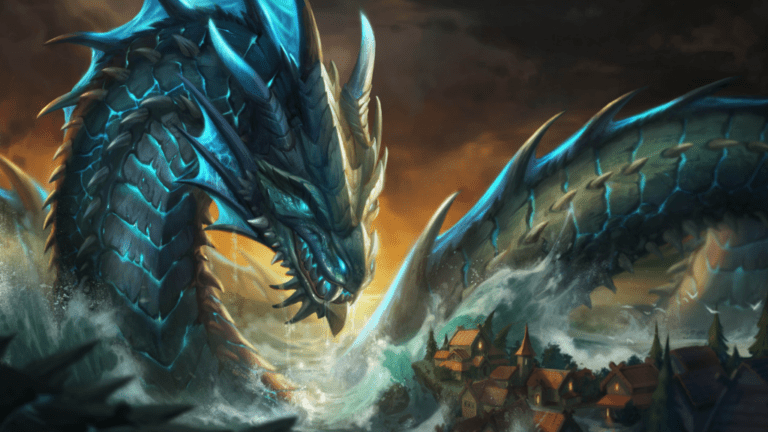
Jörmungandr, also known as the Midgard Serpent, is a prominent figure in Norse mythology, embodying the formidable and enigmatic nature of primordial forces. As a colossal serpent of immense power, Jörmungandr is intricately woven into the rich tapestry of Norse cosmology, playing a pivotal role in the prophesied events of Ragnarök, the apocalyptic battle. This article delves into the captivating lore and attributes associated with Jörmungandr, shedding light on the serpent's mythological significance and enduring legacy.

Origins and Lineage

Jörmungandr is one of the offspring of the malevolent trickster god Loki and the giantess Angrboða, making him a part of the complex and often tumultuous lineage within Norse mythology. Alongside his siblings, the wolf Fenrir and the half-dead entity Hel, Jörmungandr represents the embodiment of chaotic and primordial forces that contribute to the impending cataclysm of Ragnarök.

Attributes and Role

  • Colossal Stature: Jörmungandr is depicted as a gargantuan serpent of immense size, coiled around the world and exuding an aura of primal power and enigmatic presence.
  • Guardian of the World: In Norse mythology, Jörmungandr is described as encircling the entirety of Midgard, the world of humans, serving as a potent symbol of the interconnectedness between the mortal realm and the primordial forces that permeate the cosmos.

Mythological Narratives

  • Clash with Thor: One of the renowned myths surrounding Jörmungandr revolves around his fateful clashes with the thunder god Thor. Their epic confrontations underscore the eternal struggle between order and chaos, with Jörmungandr embodying the untamed and unpredictable forces that challenge the established order of the cosmos.
  • Prophesied Role in Ragnarök: Jörmungandr's prophesied involvement in Ragnarök, where he emerges from the depths of the ocean to engage in a cataclysmic battle with Thor, further emphasizes his pivotal role in the apocalyptic events that shape the fate of the Norse cosmos.

Symbolism and Interpretations

  • Symbol of Primordial Forces: Jörmungandr's portrayal as a colossal serpent of immense power symbolizes the primal and untamed forces that underpin the fabric of Norse cosmology, embodying the inherent tension between order and chaos.
  • Cyclical Nature of Existence: Jörmungandr's role as a central figure in Ragnarök underscores the cyclical nature of existence within Norse mythology, highlighting the perpetual ebb and flow of creation, destruction, and renewal.

Legacy and Cultural Impact

  • Literary Depictions: Jörmungandr's formidable presence has left a lasting impression on Norse literature, sagas, and poetic verses, solidifying his enduring influence within the cultural tapestry of the Norse people.
  • Contemporary Resonance: The captivating allure of Jörmungandr continues to inspire artistic interpretations, literature, and popular culture, portraying the serpent as a potent symbol of primal forces and the eternal struggle between order and chaos.

Conclusion

Jörmungandr, the colossal serpent of Norse mythology, stands as a potent embodiment of primordial forces and the eternal tension between order and chaos. His prophesied role in Ragnarök and his enigmatic presence continue to captivate and intrigue, serving as a testament to the enduring allure and complexity of Norse mythological lore.

Share:

Fenrir: Colosal and Enigmatic Wolf


Fenrir, also known as Fenrisúlfr, occupies a significant place in Norse mythology as a colossal and enigmatic wolf. His compelling presence and pivotal role in the prophesied events of Ragnarök, the apocalyptic battle, make him a figure of immense intrigue and fear. This article delves into the rich lore and characteristics associated with Fenrir, shedding light on his formidable nature and mythological significance.

Origins and Lineage

Fenrir is the offspring of the malevolent trickster god Loki and the giantess Angrboða, making him a part of the complex and often tumultuous lineage within Norse mythology. Alongside his siblings, the serpent Jörmungandr and the half-dead entity Hel, Fenrir embodies the chaotic forces that contribute to the impending cataclysm of Ragnarök.

Attributes and Role

  • Colossal Stature: Fenrir is described as a monstrous wolf of immense size and strength, exuding an aura of primal ferocity and untamed power.
  • Prophesied Role in Ragnarök: According to Norse mythology, Fenrir is destined to play a pivotal role in the cataclysmic events of Ragnarök, where he will unleash his unrestrained fury, posing a formidable threat to the stability of the cosmos and the established order of deities.

Mythological Narratives

  • Binding by the Gods: A prominent myth surrounding Fenrir centers on the gods' attempts to contain his immense power and prevent his prophesied rampage. This leads to a series of fateful events, ultimately culminating in the creation of the unbreakable chain Gleipnir, which is used to restrain the mighty wolf.
  • Tyr's Sacrifice: The binding of Fenrir is intricately linked to the selfless act of the god Tyr, who willingly sacrifices his hand to secure Fenrir's captivity, demonstrating the complex web of fate and sacrifice inherent in Norse mythology.

Symbolism and Interpretations

  • Symbol of Chaos and Destruction: Fenrir's portrayal as a harbinger of chaos and upheaval underscores his symbolic significance as a force that tests the resilience and fortitude of the divine order, embodying the unpredictable and relentless nature of primal forces.
  • Inherent Conflict and Duality: Fenrir's character epitomizes the inherent tension between order and chaos, serving as a potent symbol of the challenges and adversities that shape the Norse cosmos.

Legacy and Cultural Impact

  • Literary Depictions: Fenrir's formidable presence has left a lasting impression on Norse literature, sagas, and poetic verses, solidifying his enduring influence within the cultural fabric of the Norse people.
  • Contemporary Resonance: The enigmatic allure of Fenrir continues to captivate modern imagination, manifesting in various artistic interpretations, literature, and popular culture, underscoring his enduring impact in Norse mythology and beyond.

Conclusion

Fenrir, the colossal and enigmatic wolf of Norse mythology, stands as a formidable embodiment of chaos and upheaval, with his prophesied role in Ragnarök casting a looming shadow over the intricate tapestry of Norse cosmology. His enduring presence and symbolic significance continue to captivate and intrigue, serving as a testament to the enduring allure and complexity of Norse mythological lore.

Share:

Freyja: Goddess of Love & War


Freyja, a prominent deity in Norse mythology, is revered as the goddess of love, fertility, war, and death. Her multifaceted nature and compelling presence make her a central figure in the Norse pantheon. This article explores the rich lore and attributes associated with Freyja, shedding light on her captivating persona.

Origins and Lineage

Freyja is the daughter of Njord, the sea god, and is often associated with the Vanir, a powerful group of deities in Norse mythology. As the sister of Freyr, the god of fertility, Freyja's divine lineage is deeply intertwined with the natural world and its various aspects, including love, fertility, and war.

Attributes and Symbols

  • Love and Fertility: Freyja is closely associated with love, sexuality, and fertility. She embodies the passionate and nurturing aspects of femininity, and her influence extends to matters of romance and procreation.
  • War and Death: In addition to her associations with love and fertility, Freyja is also connected to war and death. She is known for her prowess in battle and her role in guiding the souls of the departed to the afterlife.
  • Sacred Symbols: Freyja is often depicted with a host of symbolic items, including the iconic necklace Brísingamen, which is a symbol of her beauty and power, and her chariot pulled by two cats, emphasizing her enigmatic and independent nature.

Mythological Narratives

  • The Search for Brísingamen: One of the renowned myths surrounding Freyja revolves around her acquisition of the Brísingamen necklace, a tale that showcases her determination and resourcefulness in reclaiming a prized possession.
  • The Flighting with Loki: Freyja's interactions with the trickster god Loki, particularly in the form of a poetic exchange known as "flyting," highlight her quick wit, intelligence, and assertiveness, adding depth to her character.

Worship and Cult

  • Festivals and Ceremonies: Freyja's influence is reflected in various festivals and rituals, particularly those celebrating love, fertility, and the cycle of life and death. Her presence is invoked to seek guidance and blessings in matters of the heart and battles.
  • Sacred Spaces: Temples and sacred sites dedicated to Freyja were integral in ancient Norse societies, serving as places of reverence, offering, and communal gatherings.

Legacy and Cultural Impact

  • Literary Depictions: Freyja's character and myths have permeated Norse literature, poetry, and sagas, leaving an enduring mark on the cultural landscape of the Norse people.
  • Contemporary Resonance: The enigmatic allure of Freyja continues to captivate modern imagination, manifesting in various artistic interpretations, literature, and popular culture, underscoring her enduring influence in Norse mythology.

Conclusion

Freyja stands as a compelling embodiment of love, fertility, war, and death in Norse mythology, embodying the complexities and nuances of human experience. Her enduring presence and multifaceted attributes resonate through the rich tapestry of Norse lore, leaving an indelible legacy that transcends time and culture.

Share:

Freyr: God of Prosperity and Peace

Freyr, a prominent figure in Norse mythology, is revered as the god of fertility, prosperity, and peace. As one of the Vanir gods, Freyr embodies the bountiful aspects of nature and the agricultural cycle, holding a significant position in the Norse pantheon. This article delves into the rich lore and attributes associated with Freyr.

Origins and Lineage

Freyr is the son of Njord, the sea god, and the twin brother of Freyja, the goddess of love, fertility, and war. Hailing from the Vanir, an influential group of deities in Norse mythology, Freyr's lineage and divine heritage are deeply intertwined with the natural world and its abundance.

Attributes and Symbols

  • Fertility and Abundance: Freyr is closely associated with the prosperity of crops, livestock, and the overall fecundity of the land. He embodies the concept of virility, growth, and the sustenance of life.
  • Peace and Diplomacy: In addition to his role as a fertility deity, Freyr is also revered as a bringer of peace and a patron of diplomacy. His influence extends to matters of harmony and concord among both gods and mortals.
  • Sacred Symbols: Freyr is often depicted with his iconic boar Gullinbursti, a shining golden swine, and the magical ship Skíðblaðnir, which has the ability to fold into a small cloth. These symbols represent his association with fertility and abundance.

Mythological Narratives

  • The Loss of Sword: One of the prominent myths surrounding Freyr involves the loss of his sword, which is a source of his potency and strength. This narrative unfolds as a pivotal element in Freyr's journey and the impending events of Ragnarök, the apocalyptic battle in Norse mythology.
  • The Marriage to Gerd: The renowned tale of Freyr's love for the jotunn (giantess) Gerd unfolds as a poignant story of desire, longing, and the complexities of interrealm relationships, showcasing Freyr's emotional depth and vulnerabilities.

Worship and Cult

  • Seasonal Celebrations: Freyr's significance is reflected in various seasonal celebrations and rituals, particularly during harvest festivals and times of sowing. His influence is invoked to ensure a bountiful yield and the well-being of the community.
  • Sacred Spaces: Temples and sacred spaces dedicated to Freyr were pivotal in ancient Norse societies, serving as focal points for offerings, rites, and communal gatherings.

Legacy and Cultural Impact

  • Literary Depictions: Freyr's character and myths have left an indelible mark on Norse literature, poetry, and sagas, permeating through the cultural fabric of the Norse people.
  • Contemporary Resonance: The enduring legacy of Freyr continues to captivate modern imagination, manifesting in various artistic interpretations, literature, and popular culture, further solidifying his status as a revered deity in Norse mythology.

Conclusion

Freyr stands as a paragon of fertility, peace, and abundance in Norse mythology, embodying the interconnectedness of the natural world and the aspirations of a thriving society. His enduring presence and multifaceted attributes resonate through the rich tapestry of Norse lore, leaving an indelible legacy that transcends time and culture.

Share:

Definition List

Welcome to My Blog!

Thanks for visiting. Feel free to explore the content.

Unordered List

Support